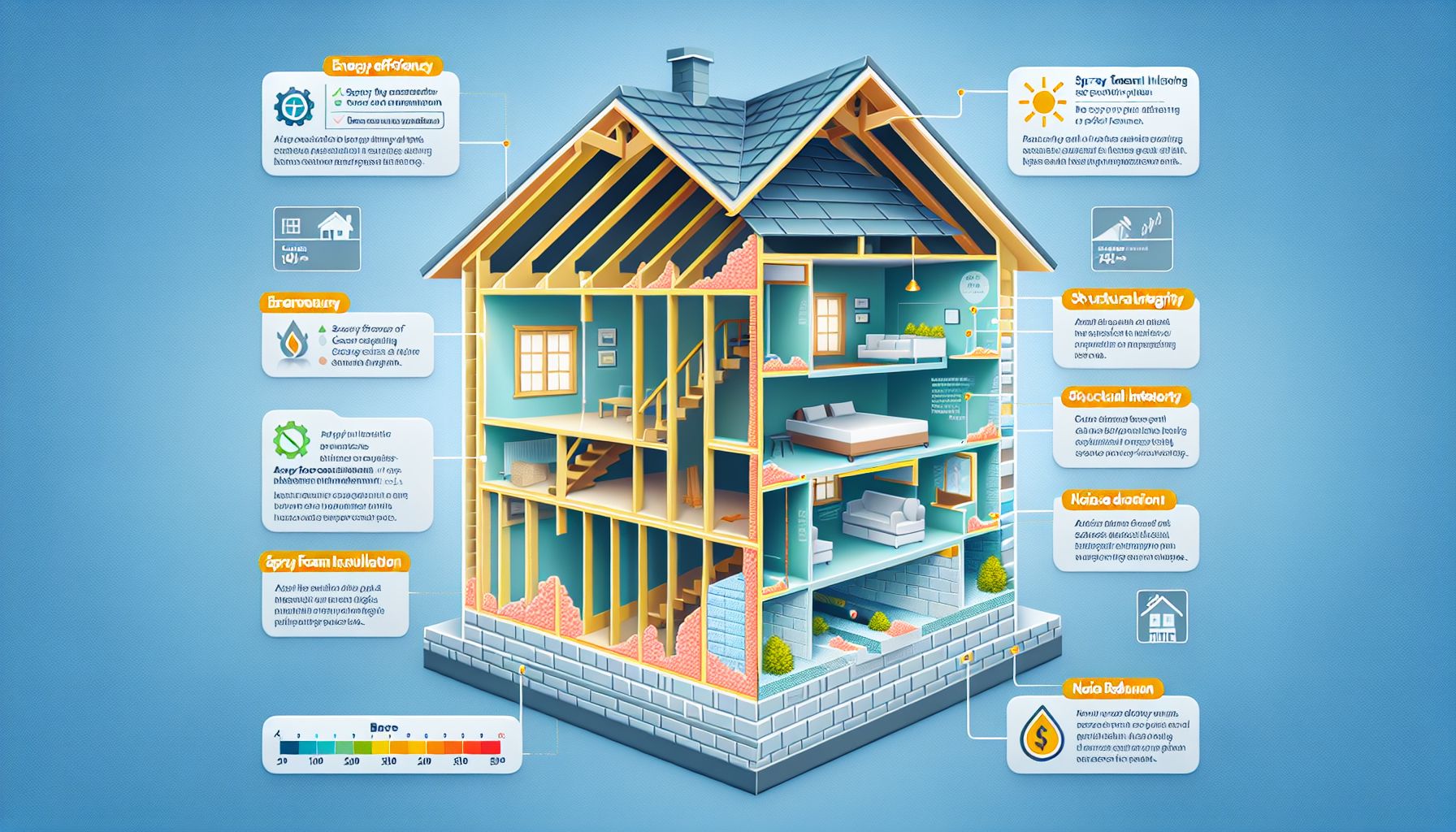
Spray foam insulation has gained popularity in recent years. Many homeowners and builders now prefer this material over traditional options. This article explores what spray foam insulation is, its benefits, and where it can be most effectively applied.
What is Spray Foam Insulation?
Spray foam insulation consists of a mixture of chemicals that form a foam when sprayed. The foam expands and hardens, creating a barrier against air and moisture. This process involves combining two key components: isocyanate and polyol resin. When these materials mix, a chemical reaction occurs, turning them into a thick foam. This foam fills gaps, cracks, and cavities in walls, ceilings, and attics.
Many people appreciate spray foam for its versatility. It can adapt to various spaces, making it suitable for different building types, from residential homes to commercial properties.
Key Benefits of Spray Foam Insulation
One of the primary advantages of spray foam insulation is its energy efficiency. When properly installed, it can significantly reduce heating and cooling costs. Air leaks in a home can lead to increased energy use. Spray foam insulation seals these leaks, keeping the temperature in your home stable.
Additionally, spray foam insulation provides soundproofing benefits. The dense foam absorbs noise and minimizes sound transfer between rooms. This feature is beneficial for homes located in noisy areas or for individuals who prefer a quieter living environment.
Moreover, spray foam insulation can improve indoor air quality. It creates an airtight seal, preventing pollutants and allergens from entering the home. This characteristic is particularly beneficial for individuals with allergies or respiratory issues.
Common Applications for Spray Foam Insulation
Spray foam insulation finds applications in various parts of a building. One of its most common uses is in attics. An insulated attic helps maintain a comfortable temperature throughout the home. Proper insulation in this area can reduce energy costs and extend the life of your HVAC system.
Another effective application is in crawl spaces. Insulating these areas not only keeps your home warmer in the winter but also prevents moisture buildup. Moisture in crawl spaces can lead to mold growth and structural damage over time.
Walls are another prime area for spray foam insulation. Whether in new construction or during renovations, spray foam can fill the gaps in walls, enhancing energy efficiency. It acts as a barrier against external elements, helping to maintain a consistent indoor temperature.
Environmental Impact of Spray Foam Insulation
As the demand for greener building materials increases, many homeowners consider the environmental impact of their choices. Spray foam insulation is often recognized for its sustainability. Many products contain recycled materials. These materials reduce overall waste and energy use in production.
While some people worry about the chemicals used in spray foam, modern formulations have improved considerably. Manufacturers now offer low-VOC (volatile organic compounds) options. These products minimize harmful emissions during installation while maintaining performance.
Furthermore, spray foam insulation helps reduce energy consumption in the long term. Less energy use contributes to lower carbon footprints for homeowners. This aspect aligns with overall efforts to promote environmentally friendly living.
Installation Considerations
One crucial factor in enjoying the benefits of spray foam insulation is proper installation. The installation process requires a professional approach. Experienced contractors understand how to apply the foam correctly, ensuring optimal coverage and performance.
Homeowners should also consider the timing of installation. Installing spray foam insulation during new construction is often more straightforward than retrofitting existing structures. However, many professionals can navigate the challenges of insulation in older homes.
Before installation, contractors assess the space, considering factors such as ventilation and accessibility. This assessment helps determine the best approach for insulation, ensuring that the owners receive maximum benefits.
Conclusion: A Wise Choice for Many
Spray foam insulation offers a range of benefits for residential and commercial spaces. Its energy efficiency, soundproofing capabilities, and potential for improved indoor air quality make it an attractive option. Additionally, its applications in various areas of a building highlight its versatility.
Homeowners considering insulation choices may find spray foam a wise decision. As they weigh the options in energy efficiency, cost, and environmental impact, the advantages of spray foam insulation become clear.
In conclusion, spray foam insulation presents a practical and effective solution for enhancing comfort and efficiency in any building. By understanding its benefits and applications, homeowners can make informed decisions about insulation that support both their living environment and sustainability goals.