Spray foam insulation · Springfield, MO
Stop paying to heat and cool the outdoors.
Spray foam insulates and air-seals in a single step — closing the gaps, cracks and leaks that let Ozarks summers and winters into your home, barn or business.
- Free on-site estimate
- Open-cell & closed-cell
- Homes, barns & commercial
Get your free estimate
Takes about a minute. We’ll reach out to schedule your free, no-pressure assessment.
Savings figure: ENERGY STAR, “Why Seal and Insulate?” Results vary by home.
Why spray foam
Most insulation slows heat. Spray foam also stops the air.
Fiberglass and loose fill can’t stop air from moving through and around them. Spray foam expands into every gap, crack and penetration, then cures in place — so the air you pay to heat and cool stays inside.
- Seals top plates, rim joists, outlets and plumbing penetrations
- Won’t sag, settle or shift over time
- Stops drafts and hot or cold spots at the source
Fiberglass batts: air moves right through the fibers and around gaps at the top plate, edges and outlets — carrying the air you paid to heat or cool with it.
Spray foam: expands to fill the entire cavity and bonds to the framing — insulation and an air seal in a single application.
Lower energy bills
Air sealing plus insulation cuts heating and cooling costs by an average of 15%, according to ENERGY STAR.
Even comfort, room to room
Say goodbye to the sweltering upstairs bedroom, the cold floors and the drafty corner office.
A true air seal
Foam expands into the cracks and penetrations that batts and blown-in insulation simply can’t close.
Moisture & condensation control
Closed-cell foam resists water and acts as a vapor retarder — ideal for crawl spaces and metal buildings.
Quieter, cleaner indoor air
Fewer leaks means less outdoor noise, dust and pollen finding their way inside.
Built to last
Spray foam won’t sag or settle, and closed-cell foam adds rigidity to walls and roof decks.
Applications
Spray foam for every part of the building.
From older Springfield homes to brand-new shops and barndominiums, we match the foam — and the thickness — to the job.
Attics & roof decks
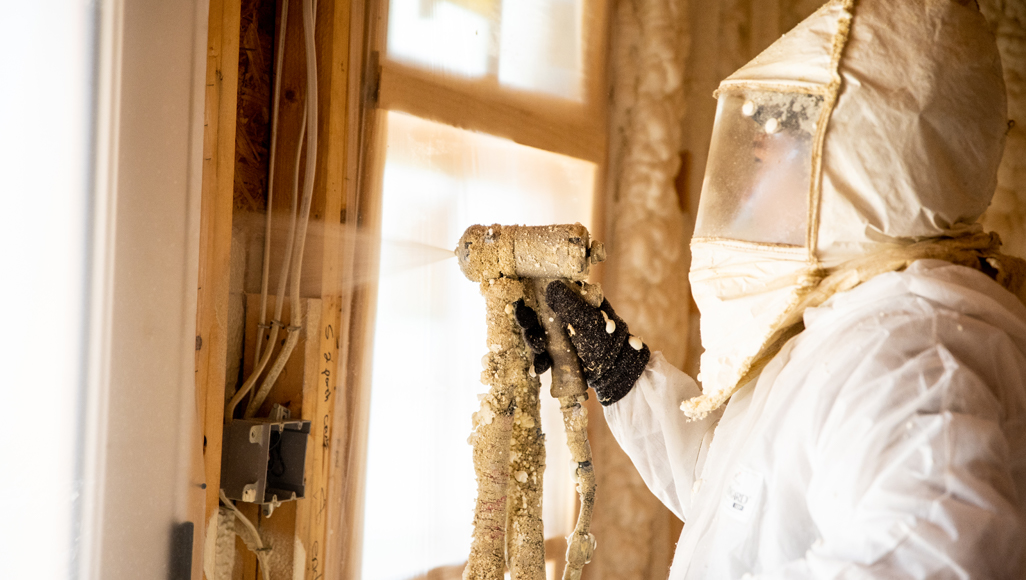
Keep summer heat out of the attic and your upstairs rooms comfortable — and bring attic ductwork inside the conditioned space.
Attic insulationNew construction & walls
Open stud walls are the perfect moment for spray foam — the tightest, quietest envelope you can build.
Walls & new buildsCrawl spaces & basements
Warmer floors and drier air, starting with the leakiest spots in the house: rim joists and foundation walls.
Crawl spacesPole barns & metal buildings
Closed-cell foam bonds to metal panels to stop condensation, dripping and rust — and makes the space usable year-round.
Pole barns & shopsCommercial & agricultural
Warehouses, offices, churches, ag and poultry buildings — lower operating costs and fewer comfort complaints.
CommercialOpen-cell vs. closed-cell
Two foams. Each one built for a job.
The right choice depends on where it’s going and what you need it to do. Here’s the quick version — we’ll recommend the right one for each area during your free estimate.
Open-cell
The comfort & sound specialist
- Density~0.5 lb/ft³ · light & soft
- ExpansionExpands up to ~100×
- MoistureVapor-permeable
- SoundExcellent sound dampening
- CostLower cost per inch
Best for
Closed-cell
The strength & moisture specialist
- Density~2 lb/ft³ · rigid & dense
- ExpansionCompact, rigid layer
- MoistureWater-resistant vapor retarder
- StrengthAdds racking strength
- SpaceMost R-value in tight spaces
Best for
How it works
From first click to finished foam in four simple steps.
Request your estimate
Fill out the quick form with a few details about your home or building. It takes about a minute.
On-site assessment
We look at the space, talk through your goals and recommend the right foam and thickness — with a clear written quote.
Prep & install
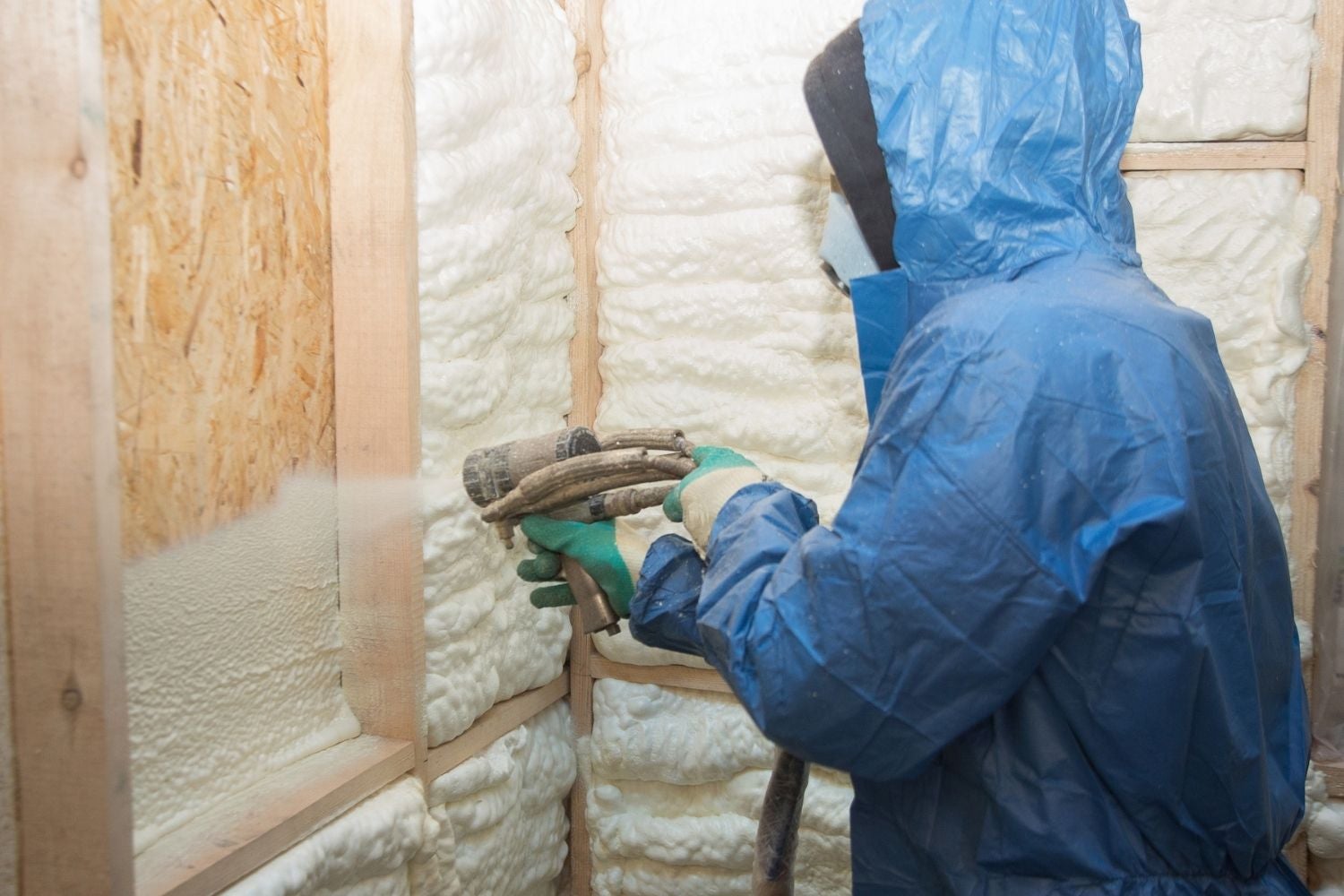
The area is protected and the foam is applied by trained applicators in full protective gear. Many projects wrap up in a day or two.
Feel the difference
Cleanup, a final walk-through, and a quieter, more comfortable, more efficient space from day one.

Local to the Ozarks
Built for Springfield weather.
Springfield sits in climate zone 4A — muggy summers, freezing winter nights and plenty of humidity in between. An air-tight, moisture-smart building envelope is how you stay comfortable through all of it.
FAQ
Questions, answered.
Straight answers about spray foam — and if yours isn’t here, ask it in the form.
How much does spray foam insulation cost?
It depends on the foam type (open- vs. closed-cell), the thickness needed to hit your target R-value, the square footage, and how accessible the space is — plus any prep like removing old insulation.
The fastest way to a real number is a free on-site assessment. You’ll get a clear, written quote with no pressure and no obligation.
Should I choose open-cell or closed-cell foam?
Open-cell is lighter, more affordable per inch and great for sound — a common choice for attic roof decks and walls. Closed-cell is dense and water-resistant with the highest R-value per inch, which makes it the go-to for crawl spaces, rim joists, basements, metal buildings and anywhere moisture is a concern.
Many projects use both. We’ll recommend the right foam for each area during your estimate.
How long does installation take?
Many single-area projects, like an attic or a crawl space, are finished in a day. Larger homes, new construction and commercial buildings take longer. You’ll get a timeline with your quote.
Is spray foam safe? When can we go back inside?
Spray foam is installed by trained applicators in full protective equipment, with the work area ventilated during application. Occupants stay out during spraying and for the re-occupancy period set by the foam manufacturer — commonly about 24 hours. Once cured, the foam is inert. We’ll walk you through exactly what to expect for your project.
Can you spray over my existing insulation?
Usually not. Spray foam needs to bond directly to the roof deck, framing or foundation to air-seal properly, so old insulation is typically removed first — especially if it’s damaged, wet or contaminated. We’ll assess what you have and include any removal in your quote.
Will spray foam really lower my energy bills?
ENERGY STAR estimates homeowners save an average of 15% on heating and cooling costs (about 11% on total energy costs) by air sealing and insulating attics, floors over crawl spaces and accessible basement rim joists. Your results depend on your building and your current insulation — but sealing leaks is one of the most cost-effective upgrades you can make.
Do you insulate pole barns, shops and metal buildings?
Yes. Closed-cell spray foam is the standard choice for metal buildings because it bonds directly to the panels, blocking the warm, humid air that causes condensation, dripping and rust. It also makes shops and barns far more comfortable year-round.
What areas do you serve?
Springfield and the surrounding area, including Nixa, Ozark, Republic, Battlefield, Willard, Strafford, Rogersville, Marshfield, Bolivar, Branson and Clever. Outside that area? Send a request anyway and we’ll let you know if we can help.
Free estimate
Ready for a quieter, more comfortable, more efficient building?
Tell us what you’re working on. We’ll follow up to schedule a free on-site assessment and give you a clear, written quote — no pressure, no obligation.
- Free on-site assessment & written quote
- Honest open-cell vs. closed-cell recommendation
- Homes, pole barns, shops & commercial buildings
Get your free estimate
Tell us about your project and we’ll reach out to set up your free, no-pressure assessment.